
Rattan 101: A Simple Guide to Caring for Rattan Home Furnishings
Rattan brings a laid-back, natural feel into any space. Whether it’s a cozy reading nook or a breezy sunroom, this material has a way of making everything feel more grounded and warm. But while it looks effortlessly beautiful, rattan needs a little care to stay strong and stylish over time.
Let’s dive into everything you need to know about caring for rattan to keep it looking and feeling its best.
What Is Rattan and Why It’s Popular
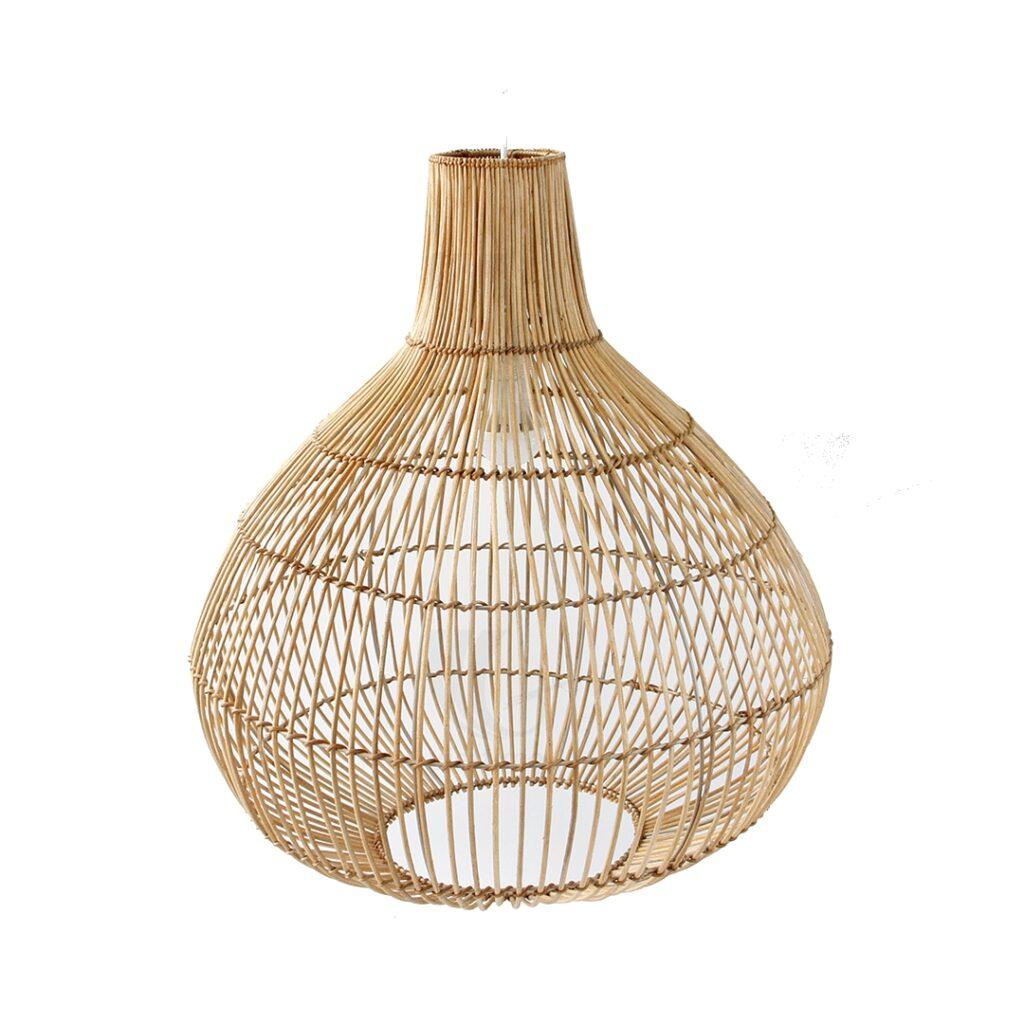
So, what is rattan exactly? Rattan is a fast-growing vine native to tropical regions, particularly Southeast Asia. It’s strong, flexible, and naturally textured, making it perfect for weaving into everything from chairs and baskets to headboards and pendant lampshades. If you’re looking to add rattan to your table, our handcrafted rattan decorative trays are a great starting point — lightweight, durable, and naturally beautiful.
Rattan is often confused with bamboo, but the two are actually quite different. While bamboo is hollow and rigid, rattan is solid and flexible, making it ideal for weaving. One of rattan’s most versatile forms is cane webbing — the woven panels used in cabinet door inserts, headboards, and furniture restoration. We sell natural cane webbing by the foot in multiple weave styles for DIY projects.
If you’re looking to work with rattan cane directly, see our complete guide to rattan cane webbing — covering weave styles, uses, and how to choose the right material for your project.
Rattan grows in long, vine-like stems that climb trees in the rainforests of Southeast Asia. It can grow up to hundreds of meters long, making it one of the longest natural materials available for harvesting.

Harvesting rattan is a largely manual process. Skilled harvesters cut the vines from the forest canopy and strip away the outer bark to expose the pliable core. These cores are then dried, bundled, and shipped to be shaped and woven into furniture and decor.
Here’s why it’s a favorite in homes around the world:
- Eco-friendly: Rattan is a renewable resource and often harvested sustainably.
- Lightweight yet sturdy: Great for easy rearranging, without sacrificing strength.
- Textural charm: The woven texture adds organic warmth and character to any space.
- Versatile: Works well in modern, boho, coastal, and rustic decor styles.
If you’ve been wondering, is rattan durable? The answer is yes—especially with a little regular TLC.
A Short History of Rattan
Rattan has been used in home furnishings and crafts for thousands of years, with evidence of its use dating back to ancient Egypt and China. Historically, rattan was prized not just for its flexibility, but also for its ability to hold intricate weaves and curved shapes without cracking—qualities that made it perfect for both functional and decorative pieces.
In the 19th and 20th centuries, rattan became especially popular in European and American homes during the rise of tropical-inspired furniture. Victorian-era homes often featured rattan in sunrooms and porches, while the mid-century modern movement embraced rattan’s clean lines and organic texture. Today, it’s loved for its sustainable sourcing, vintage appeal, and ability to blend seamlessly into contemporary spaces.
From colonial verandas to minimalist lofts, rattan has traveled the globe and continues to evolve with modern design sensibilities—while staying rooted in tradition.
Routine Rattan Furniture Care
Maintaining natural rattan doesn’t just keep it looking good—it helps preserve its strength and structure over time. Because rattan is a natural fiber, it’s more vulnerable to things like moisture, dirt buildup, and strong sunlight. A little regular care goes a long way.
Keep It Clean
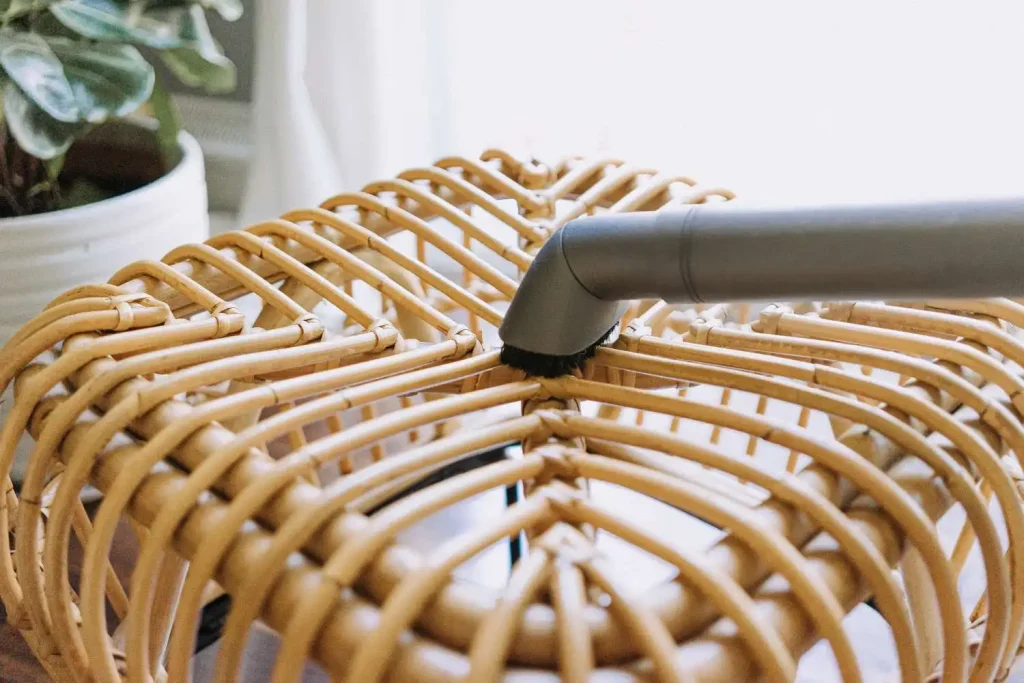
The easiest way to make your rattan last? Keep it dust-free. Use a microfiber cloth or a vacuum with a brush attachment to gently remove dust from the weave at least once a week. Once a month, give it a deeper clean with a soft cloth dampened in a mild soap and water solution—but don’t overdo it. Avoid soaking the material, and be sure to dry it thoroughly afterward.
Protect from Sunlight
Too much sun can dry out rattan and cause fading or brittleness. If your rattan furniture is indoors, keep it away from windows that get strong, direct sunlight. If that’s unavoidable, consider using sheer curtains or UV-protective window film. For outdoor pieces, use covers or store them in shaded areas when not in use.
Avoid Excess Moisture
Water is one of rattan’s biggest enemies. Overexposure to moisture can cause the fibers to swell, weaken, or even mold. Always dry furniture completely after cleaning, and avoid placing rattan in overly humid or damp environments. If you’re using rattan outside, bring it indoors or cover it during rainy or snowy weather.
Bonus tip for indoor furniture:
- Use felt pads under the legs to protect your floors and reduce friction damage.
- Keep the room’s temperature and humidity stable to help prevent the rattan from drying out or becoming brittle over time.
Preventing Long-Term Wear and Damage
Even though rattan is durable, it’s still a natural material. Protecting it from excess stress, moisture, and UV rays will help Rattan is known for being strong and flexible, but like any natural material, it needs a little TLC to keep it in great shape. A few simple habits can go a long way toward keeping your rattan pieces looking beautiful and functioning well for years to come.
Maintain Proper Indoor Climate
Rattan thrives in a stable environment. Try to keep indoor temperatures and humidity levels consistent to prevent the material from becoming brittle or warped. If the air in your home tends to be dry—especially during winter—consider using a humidifier to avoid cracking or splitting.
Use Protective Coverings
If your rattan furniture is in a sunny room or used outdoors, use protective coverings when it’s not in use. Covers help shield it from UV rays, moisture, and dust—three things that can seriously shorten the life of your furniture. For indoor use, placing throw blankets or cushion covers can also reduce surface wear.
Regularly Rotate and Rearrange
To prevent uneven wear, switch things up every now and then. Rotate cushions and move furniture pieces around if they’re getting heavy daily use. This helps avoid over-stressing one spot and keeps everything aging more evenly. If you’ve got a favorite chair, give it a break now and then by rotating it out with another piece.
Other quick tips:
- Always keep rattan dry—dampness is a no-go.
- Don’t overload furniture beyond its weight limit.
- And remember: lift it, don’t drag it.
Rattan may be durable, but these small habits will keep it looking better for longer—and help you see why this timeless material continues to be a favorite.
Advanced Rattan Care Tips
Want your rattan to stay gorgeous long-term? Try these deeper care steps for truly effective caring for rattan.
Add a Protective Finish for Longevity
A protective finish can give your rattan an extra layer of defense:
- Use a clear varnish, shellac, or furniture wax specifically made for natural fibers.
- Apply sparingly and follow product instructions.
- Reapply every 1-2 years or as needed depending on use and exposure.
Repair Minor Rattan Damage
Got a loose strand or small break? Fix it before it gets worse:
- For loose strands: Apply a bit of wood glue and gently press it back into place.
- For cracked areas: Use fine sandpaper to smooth edges, then seal with a finish.
- For sagging seats: Reinforce the underside with a cushion or add webbing support.
Rattan Placement & Seasonal Storage
Beyond cleaning and care, where you place your rattan furniture plays a huge role in its longevity. While rattan is beautiful and strong, it is still a natural fiber—and like any natural material, it’s sensitive to environmental extremes. That’s why thoughtful placement and seasonal storage are key.
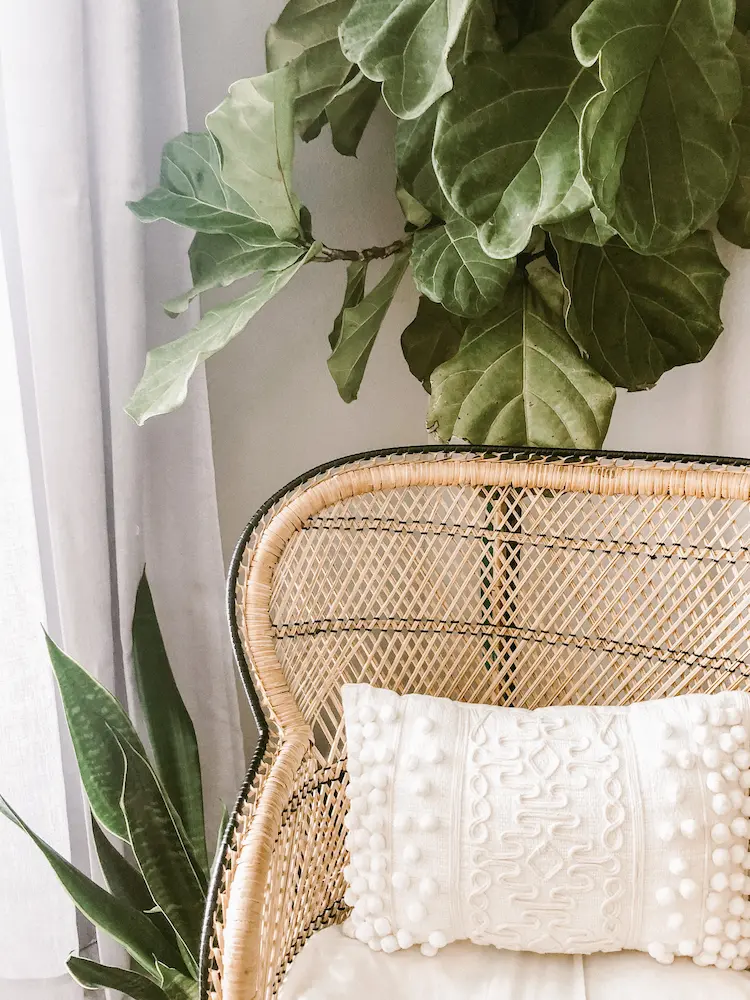
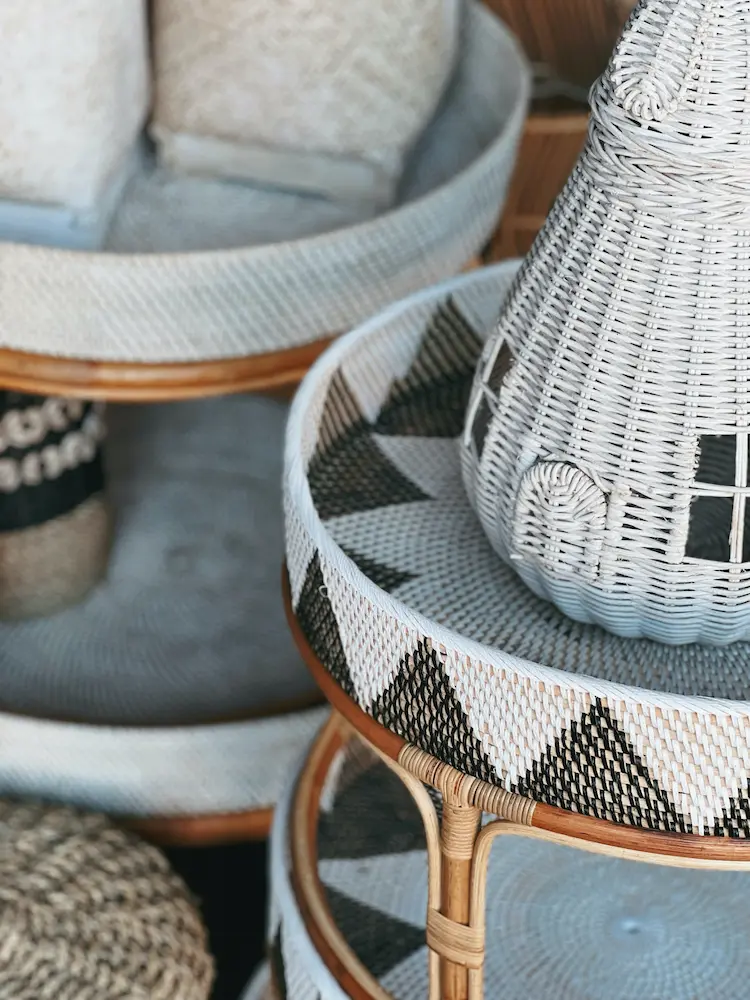
Indoors, avoid placing it directly next to heating vents or in overly humid corners. Outdoors, be sure it’s under a shaded patio or brought inside during extreme weather.
Best Places to Use Rattan in Your Home
- Living rooms: Rattan adds texture to soft, neutral tones.
- Sunrooms: It blends beautifully with natural light (just not too much direct sun!).
- Bedrooms: Rattan headboards or baskets bring warmth without feeling heavy.
- Entryways: Try a rattan bench or storage basket for a rustic touch.
Seasonal Storage Tips for Outdoor Rattan
If you use your rattan outside during warmer months:
- Clean it before storing to remove dust, pollen, and moisture.
- Cover it with breathable fabric (not plastic) to avoid mildew.
- Store in a dry spot, away from freezing temps or direct heat.
Conclusion
Rattan furniture is one of those home staples that gets better with age — when cared for properly. Whether you’re maintaining a beloved chair or looking to bring more rattan into your home, the right care makes all the difference. Browse our handcrafted rattan decorative trays and rattan lamp shades — or if you’re working on a furniture project, explore our cane webbing by the foot.
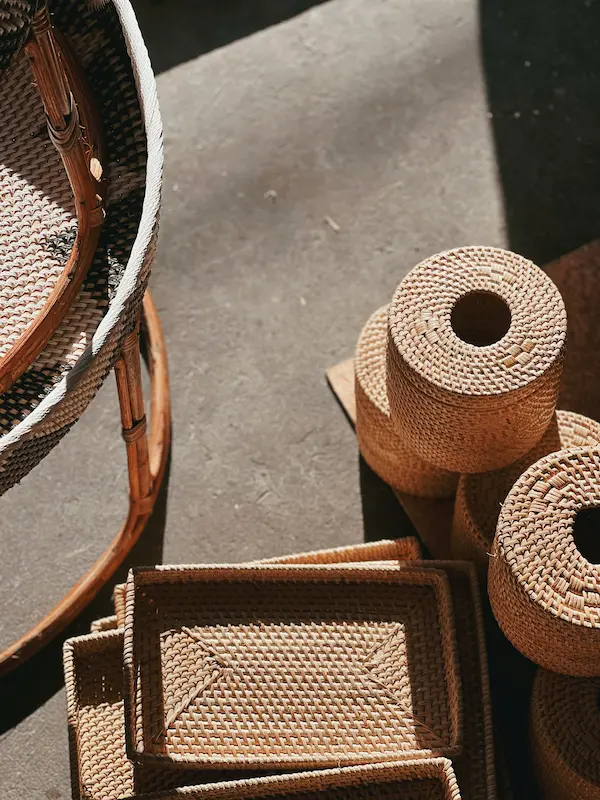
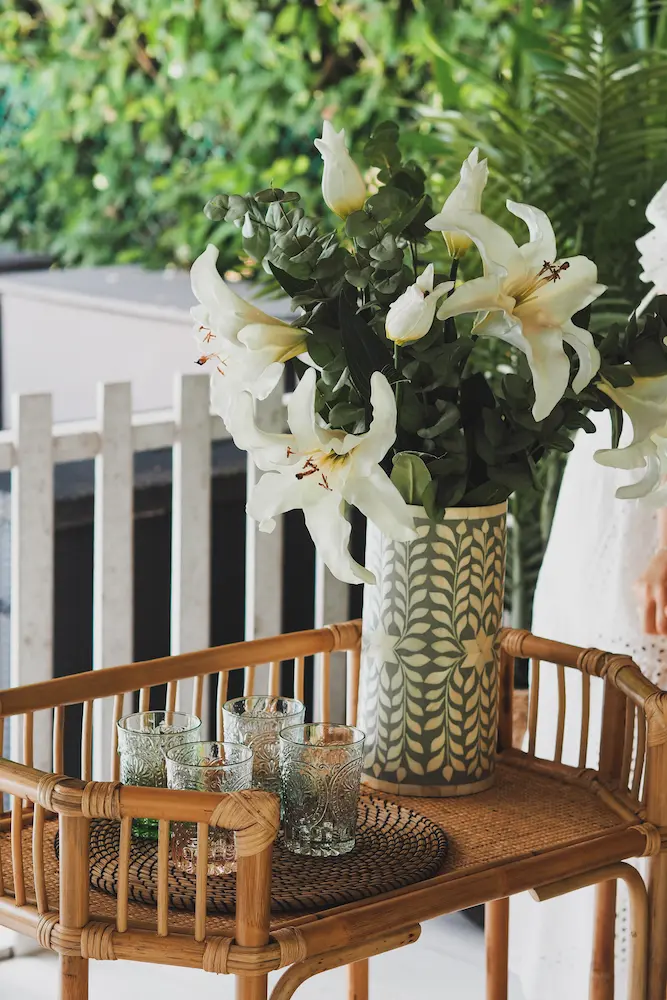
Rattan Care FAQs
Can rattan furniture be used outdoors?
It depends! Natural rattan isn’t ideal for long-term outdoor exposure unless it’s under cover. If you love the look for your patio, bring it out seasonally or invest in synthetic rattan designed for the outdoors.
How do I remove mold from rattan?
If mold pops up (usually due to damp conditions), try this:
1. Mix equal parts white vinegar and warm water.
2. Dampen a cloth and gently wipe the affected area.
3. Let it dry fully in the sun or a breezy, dry room.
How long does rattan furniture last?
With proper care, quality rattan can last 10–20 years or more. For indoor rattan furniture especially, keeping it clean and protected from sun and moisture will make all the difference.
What is the difference between rattan furniture and cane webbing?
Rattan furniture uses full rattan poles or rattan core wrapped in cane. Cane webbing is made from the peeled outer bark of the rattan plant — woven into flat sheets used in cabinet inserts, headboards, and chair seat panels. If you’re restoring a piece of furniture with woven panels, you’re likely working with cane webbing, not solid rattan.